
Dental Bonding Treatment
Other Services
Brighten Your Smile
Enhance Your Confidence With Dental Bonding
Transform your smile effortlessly with professional dental bonding. Our skilled specialists use advanced materials and techniques to achieve precise, natural-looking results that restore your smile’s harmony and brilliance.
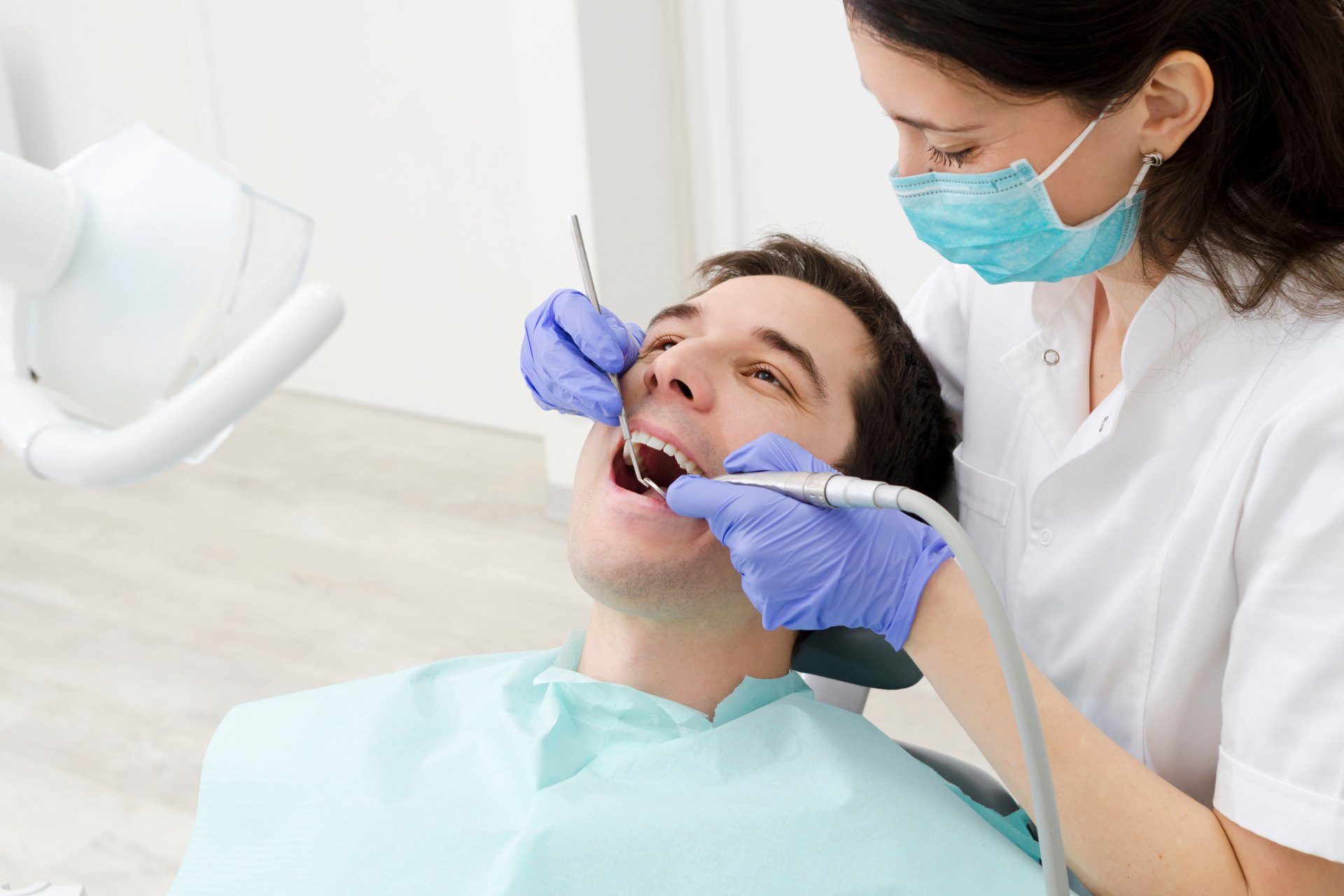
Dental Bonding
Our dental bonding services are designed to repair, reshape, and restore your smile using a quick, comfortable, and effective procedure. By applying a tooth-colored resin material, we can fix chips, close gaps, or improve the shape and color of your teeth with natural-looking results.
With advanced bonding techniques, you can enhance your smile in just one visit — without the need for anesthesia or complex dental work. This treatment provides a cost-effective and aesthetic solution that blends seamlessly with your natural teeth for long-lasting beauty and confidence.
The benefits :
Dental bonding offers an easy, affordable, and minimally invasive cosmetic solution for improving the appearance of your teeth. It helps restore function and beauty while maintaining natural comfort and durability.
- Repairs chips, cracks, and minor imperfections.
- Closes gaps between teeth for a balanced smile.
- Improves tooth color and shape instantly.
- Provides a quick, painless, single-visit treatment.
- Delivers natural, durable, and aesthetic results.
- Boosts self-confidence with an enhanced smile.
Our Procedure
Our Dental Bonding Procedure
Our dental bonding procedure ensures a precise, gentle, and effective approach to enhance your smile. We use high-quality resin and expert craftsmanship to restore the beauty and strength of your teeth.
Consultation & Shade Selection
We evaluate your teeth, discuss goals, and select a resin shade that perfectly matches your natural enamel.
Tooth Preparation & Bonding
A light surface etch is applied before the resin is sculpted, shaped, and bonded using advanced curing technology.
Polishing & Finishing Touches
Each tooth is polished and refined to achieve a smooth, glossy, and natural finish that blends seamlessly.
Specialist
Delivered by Expert Dental Specialists
Care is provided by experienced dental professionals dedicated to restoring smiles with accuracy, comfort, and artistry.


Posted on GoogleTrustindex verifies that the original source of the review is Google. Very highly professional for kids and adults for dentist. I came there for my wisdom teeth removal. The front desk and doctor are very helpful, awesome. The assistant and the doctor is very professional. Thanks!!!!!!Posted on GoogleTrustindex verifies that the original source of the review is Google. I usually have to wait a bit for my appointment but great service overall.Posted on GoogleTrustindex verifies that the original source of the review is Google. Front desk, Tanisha and the doctor, Amazing people. They really do care about patients. Hardly recommend this clinic to others. They make you feel like family. I love this place. Feel very comfortable here.Posted on GoogleTrustindex verifies that the original source of the review is Google. Los mejores en todoPosted on GoogleTrustindex verifies that the original source of the review is Google. Dentist and staff are friendly and fun and make going to the dentist less scary and affordable. Thanks!Posted on GoogleTrustindex verifies that the original source of the review is Google. Excelente servicio y la simpatía de todo el personal, desde que llegas te tratan con respeto, y te hacen perder ese miedo que tanto nos agobia. Viajé desde pittsfield massachussets para tratarme con ellos y mil veces volvería a viajar para que ellos trabajen en mí. Soy de las personas que le temen a los dentista y ahí no siento nada de miedo, porque su simpatía te hace sentir confiado🤩Posted on GoogleTrustindex verifies that the original source of the review is Google. Wao realmente estoy tan feliz de haber encontrado este lugar yo que andaba buscando lugares buenos ya que le tengo pánico al dentista por malas experiencias y mis nervios pero este doctor tiene manos de ángel Dios lo bendiga y la asistente no se diga me trato con tanto amor y paciencia y las secretarías al frente un amor muy amable ojalá y hubiera ido antes pero ya estoy aquí y seguiré mis cita con ustedes valió la pena la búsqueda .. y no tengo dolor omg solo una pequeñita presión en el area donde me saco la muela pero es normal 🙏🏻💖 recomendados al 100% a ojo cerradoPosted on GoogleTrustindex verifies that the original source of the review is Google. Muchas gracias excelente servicio súper amable, atentas
Frequently Asked Questions About Dental Bonding in Springfield
Dental bonding is a cosmetic dental treatment that uses a tooth-colored composite resin to repair and improve the appearance of teeth. It can correct chips, small cracks, discoloration, uneven edges, and minor gaps to create a more balanced smile.
Dental bonding is commonly used to repair chipped teeth, close small spaces between teeth, improve tooth shape, cover stains, and restore teeth with minor wear or damage.
With proper care, dental bonding can last several years. The longevity depends on factors such as oral hygiene habits, diet, and whether the bonded teeth are exposed to heavy biting or grinding.
Dental bonding is typically painless and usually does not require anesthesia unless it is being used to repair a cavity or restore a damaged area near the tooth’s nerve.
Most dental bonding treatments can be completed in a single visit. Depending on the number of teeth being treated, appointments often take between 30 and 60 minutes per tooth.
Yes, the composite resin is carefully matched to the color of your natural teeth and sculpted to blend seamlessly with your smile.
Yes, dental bonding is one of the most common and effective treatments for repairing small chips and restoring the natural shape of a tooth.
Yes, bonding can be used to close small spaces between teeth and create a more uniform appearance.
Brush and floss daily, attend regular dental checkups, and avoid biting hard objects such as ice, pens, or fingernails to help protect the bonded material.
The composite material can stain with frequent exposure to coffee, tea, red wine, and tobacco. Good oral hygiene and routine cleanings help maintain its appearance.
Because only minimal preparation is usually needed, dental bonding is considered a conservative treatment and, in many cases, can be modified or replaced if needed.
Dental bonding is generally faster and more affordable, while veneers may offer greater stain resistance and durability for more extensive cosmetic changes.
Patients with healthy teeth and gums who want to correct minor cosmetic imperfections are often excellent candidates for dental bonding.
Bonding material does not respond to whitening treatments. If you are considering teeth whitening, it is often best to whiten your natural teeth before bonding so the resin can be matched to the brighter shade.
Insurance coverage depends on whether the treatment is considered cosmetic or restorative. Our team can review your benefits and explain any out-of-pocket costs.
You can usually eat shortly after the procedure. It is best to avoid very hard or sticky foods for the first 24 hours.